Business Strategy
5 Signs Your Business Has Outgrown the Founder
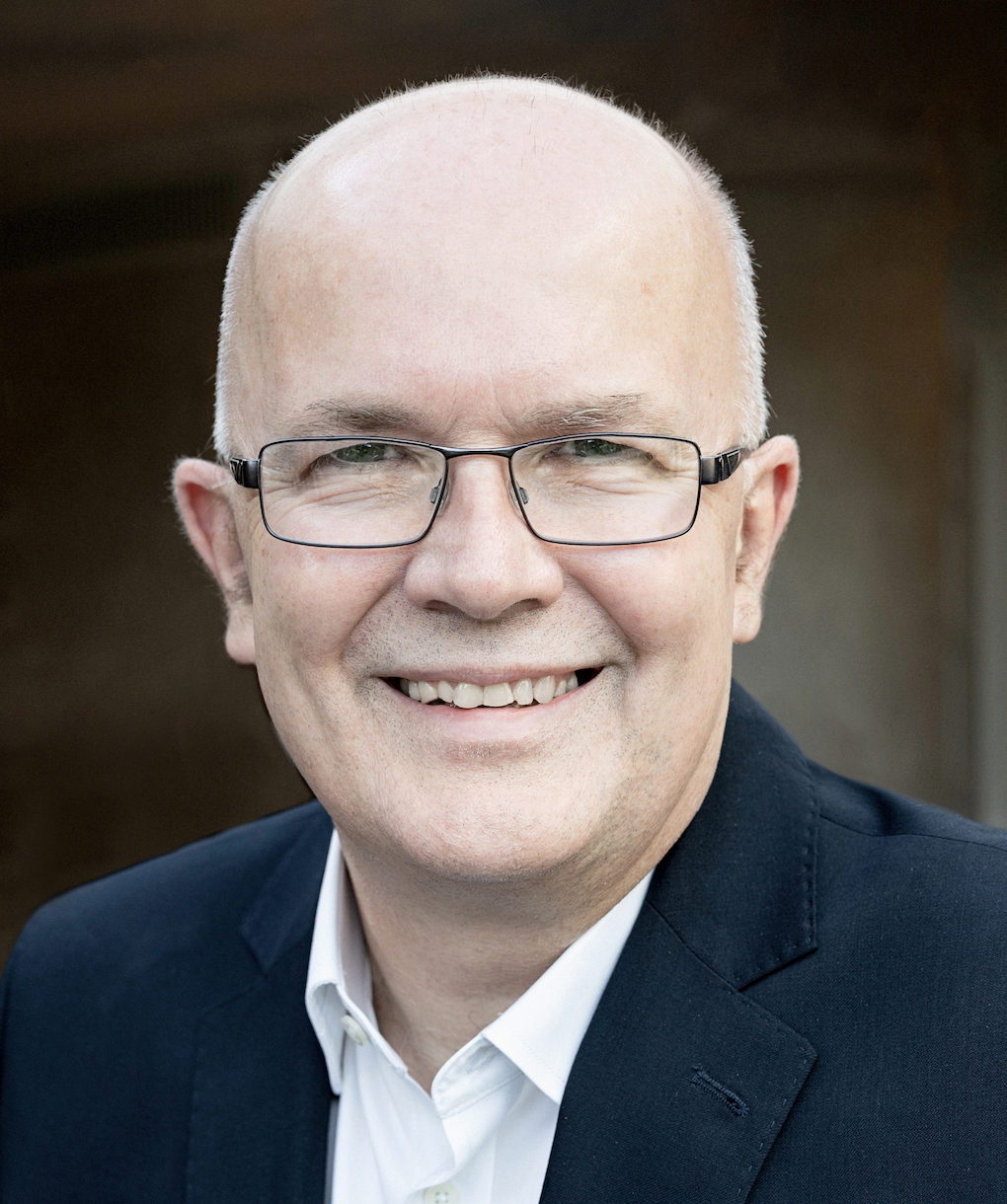 Peter Dickinson · Founder, KUB Strategy12 min read

A business has outgrown its founder when the founder's personal involvement becomes the constraint on growth rather than the driver of it. For UK SMEs between £500K and £5M revenue, this transition point is the single most common reason growth stalls. The signs are predictable — and each one points to a specific structural problem with a specific solution.
Here is the uncomfortable truth about growing a business: the skills, instincts, and work ethic that got you from zero to £500K are precisely what will hold you back from £500K to £5M.
In the early stages, founder dependency is an asset. Your personal relationships win clients. Your quality standards maintain reputation. Your decision-making speed keeps the business agile. Every part of the engine runs because you are at the centre of it.
Then something shifts. The business gets big enough that you cannot hold it all in your head. There are too many clients, too many decisions, too many priorities competing for your time. You work harder — longer hours, earlier mornings, weekends — but the numbers stop responding to effort.
Research from the Enterprise Research Council shows that only 2% of surviving UK start-ups reach £1M turnover within three years. The businesses that break through have one thing in common: they reduced their dependency on the founder before the founder became the bottleneck.
The five signs below are not speculative. They are the patterns seen in almost every SME that stalls between £500K and £5M — and each one points to a specific structural problem with a specific solution.
Sign 1: Revenue Tracks Directly to Your Diary
The symptom: Busy weeks produce revenue. Holiday weeks produce nothing. Conference weeks produce connections that convert months later. Quiet weeks in January produce a quiet Q1. Your personal availability is the leading indicator of your revenue — not your marketing, not your sales process, not your team.
Why it matters: This means you do not have a business with a pipeline. You have a business with a founder who happens to be very good at selling. The distinction is critical because the first model scales and the second does not. If you step back — for any reason — revenue drops.
The structural fix: Build a marketing strategy that generates leads independently of you. This is not about hiring a junior marketer to post on LinkedIn. It is about building a system — ICP definition, channel selection, content, nurture sequences, and measurement — that produces a predictable volume of qualified enquiries whether or not you are in the room.
For most businesses at this stage, that means engaging a Fractional CMO who builds the engine and oversees its operation, rather than trying to DIY a marketing function while also running the business. Our article on why high-growth businesses rarely grow alone covers why external support becomes essential at this stage and what the most effective forms of it look like.
Sign 2: Every Decision Routes Through You
The symptom: Your team asks permission for things they should be able to decide themselves. Proposals wait for your sign-off. Client communications wait for your review. Hires wait for your interview. Nothing moves unless you touch it.
You tell yourself this is about quality control. In reality, it is about the absence of systems. Your team does not have decision frameworks. They do not know what "good" looks like without you defining it each time. So they wait — and the business moves at the speed of your availability, not its potential.
Why it matters: Research from the ScaleUp Institute shows that UK scale-ups — businesses growing at 20%+ annually — make up just 0.6% of the SME population but generate 55% of total SME turnover. These businesses have built management structures that allow decisions to flow without the founder approving every one. Founder-bottlenecked businesses cannot scale because decision throughput is capped at one person.
The structural fix: Create decision frameworks, not task lists. For every repeating decision type — pricing, client scope changes, hiring, marketing spend, supplier selection — document the criteria and the authority level. "If the value is under £X and the client is existing, the account manager can approve without escalation." This alone can reclaim 10+ hours per week of founder time and dramatically increase your team's confidence and speed.
Sign 3: Your Marketing Depends on You Personally
The symptom: Your marketing consists of you writing LinkedIn posts, you attending events, you speaking at conferences, you emailing contacts, you sending proposals. A 2025 UK survey found that 65% of SME marketing is done personally by the business owner. If you are one of them, your marketing ceiling is your personal time ceiling.
Why it matters: Personal marketing works brilliantly from zero to £500K. Your network, your reputation, and your direct relationships produce clients. But personal marketing does not compound. Every lead requires your personal effort. Stop posting, stop attending, stop networking — and the pipeline dries up within weeks.
Meanwhile, your competitors with systematic marketing — content that ranks in Google and AI search, email sequences that nurture leads automatically, paid campaigns that generate enquiries while the founder sleeps — are building compounding assets. Their marketing gets stronger over time. Yours stays capped at whatever you personally have time for.
The structural fix: This is the transition from founder-led marketing to system-led marketing. It starts with a marketing gap analysis to identify exactly where the system is missing, followed by the build: ICP definition, messaging, channel strategy, content production, lead generation, and nurture automation.
The 12-Step Scale-Up Programme is specifically designed for this transition — taking you from founder-dependent marketing to a fully operational marketing engine across the Diagnose, Design, and Deploy phases.
Sign 4: Your Team Cannot Operate Without You
The symptom: When you take a week's holiday, you come back to a backlog of decisions, a list of problems that waited for you, and the vague sense that nothing moved forward while you were away. Your team is busy — but they are busy executing, not thinking. Nobody is proactively solving problems, improving processes, or making strategic decisions in your absence.
Why it matters: This is the clearest signal that your business has people but not a team. The difference is systems and leadership. People follow instructions. A team operates within a framework that allows them to make good decisions independently. If your business cannot function for a week without you, it is worth less than you think — to a buyer, to an investor, or simply as a vehicle for your own quality of life.
Only 14.5% of UK SMEs achieved sustained growth between 2020 and 2023. The businesses that did were not the ones with the hardest-working founders. They were the ones with the best systems and the most capable teams.
The structural fix: Two things must happen. First, document your core processes — not in exhaustive manuals, but in one-page playbooks that capture how repeating work gets done, what quality looks like, and what decisions can be made at which level. Second, invest in your first senior hire — someone who brings judgement, not just execution. For many businesses at this stage, a Fractional CMO, CRO, or operations lead is the right first move: senior capability without the full-time cost and hiring risk.
Sign 5: You Have Stopped Thinking Strategically
The symptom: When was the last time you spent a full day thinking about where the business is going in three years? If the answer is "I cannot remember" — or worse, "I do not have time" — that is the fifth sign.
Your calendar is full of client work, team management, operational firefighting, and the daily grind of running the business. Strategic thinking — the kind that determines whether you reach £5M or stay at £1.5M — has been squeezed out entirely. You know you need to think about positioning, pricing, new markets, AI, marketing systems, and team structure. But there is always something more urgent.
Why it matters: A business without strategic thinking is a business on autopilot. It may grow slowly through inertia, but it will not break through to the next stage. The decisions that matter most at £1M–£5M — where to focus, what to stop doing, how to differentiate, when to invest — require dedicated thinking time. Without it, you are making £5M decisions with £500K thinking.
The structural fix: Block strategic thinking time in your calendar as ruthlessly as you protect client meetings. One day per month minimum. Use a structured framework: review the last 90 days, assess what is working and what is not, identify the single biggest constraint, and set priorities for the next 90 days.
Better yet, get external perspective. A business strategy engagement or a fractional advisor gives you someone whose explicit job is to think strategically about your business — freeing you from the trap of being simultaneously the strategist, the operator, and the firefighter.
What Comes After Recognition
Recognising these signs is the first step. The second step is deciding to do something about it.
The transition from founder-led to system-led is not a single event. It is a 6–12 month process of building the strategy, systems, and team that allow the business to scale from £500K to £5M without the founder burning out.
The three pillars of that transition:
- Business strategy — clarity on where you are going, what to focus on, and what to stop doing
- Marketing strategy — a system that generates pipeline without depending on you personally
- AI strategy — tools that create leverage, so your small team operates with the speed and insight of a much larger one
The businesses that break through the founder ceiling are not the ones where the founder works harder. They are the ones where the founder works differently — shifting from operator to leader, from doer to director, from bottleneck to multiplier.
This transition is precisely what the 12-Step Scale-Up Programme is built to deliver — working through Diagnose, Design, and Deploy to replace founder dependency with a self-sustaining growth engine.
Find out what is holding your business back. The Free Marketing Gap Analysis identifies the specific gaps — in your marketing, your pipeline, and your systems — so you know exactly what to fix and in what order. Free, confidential, no obligation.
Frequently Asked Questions
Founder dependency typically becomes a constraint between £500K and £1M. Below £500K, the founder's personal involvement is usually an advantage. Above £1M, it becomes a bottleneck. The precise point varies by business model — service businesses hit it earlier because delivery depends on the founder's time, while product businesses may hit it later because the product generates revenue more independently.
Partially. Documenting processes, creating decision frameworks, and implementing AI tools can reduce dependency significantly without new hires. But at some point, you need senior capability that the founder cannot provide alongside everything else. A fractional model — a part-time CMO, CRO, or operations lead — is the most cost-effective way to add senior capacity without a full-time salary commitment.
Ask yourself: if you gave your best team member complete authority over one function for 90 days, with clear goals and a decision framework, would the outcome be acceptable? If yes — the constraint is your willingness to delegate, not their capability. If no — the constraint is team capability, and you need to either develop or hire.
Whichever activity consumes the most of your time but contributes the least unique value. For most founders, that is marketing execution (content, social media, campaigns) and operational administration (reporting, scheduling, supplier management). Strategy, key client relationships, and business development are typically the last things to delegate.
The transition from founder-led to system-led typically takes 6–12 months when done deliberately. The first 90 days focus on building the strategy and initial systems. Months 4–6 focus on delegation and team development. Months 7–12 focus on optimisation and embedding new ways of working. The 12-Step Scale-Up Programme follows this timeline, moving from diagnosis through to a fully systemised marketing engine.
Ready to break through the founder ceiling?
Book a free 30-minute discovery call. We will identify the specific constraints holding your business back and show you the clearest path to your next revenue milestone.
More on Business Strategy

Business Strategy
Why High-Growth Businesses Rarely Grow Alone
Behind most successful businesses is a network of people who provide guidance, challenge assumptions and help leaders make better decisions. The quality of advice surrounding a business owner is often one of the strongest indicators of future growth.
8 min read

Business Strategy
7 Business Lessons I Wish I'd Learned Earlier
After two decades and hundreds of client engagements, the same themes appear time and again. Seven honest lessons on strategy, customers, marketing, founder dependency and what consistent growth actually requires.
8 min read

Business Strategy
Who Really Owns Your Website? The Business Owner's Guide to Digital Asset Control
Most business owners assume they own their website — but that is not always true. This guide covers the five critical digital assets every business must control and what to do if ownership is unclear.
9 min read