Business Strategy
Challenges Facing Small and Medium Sized Businesses
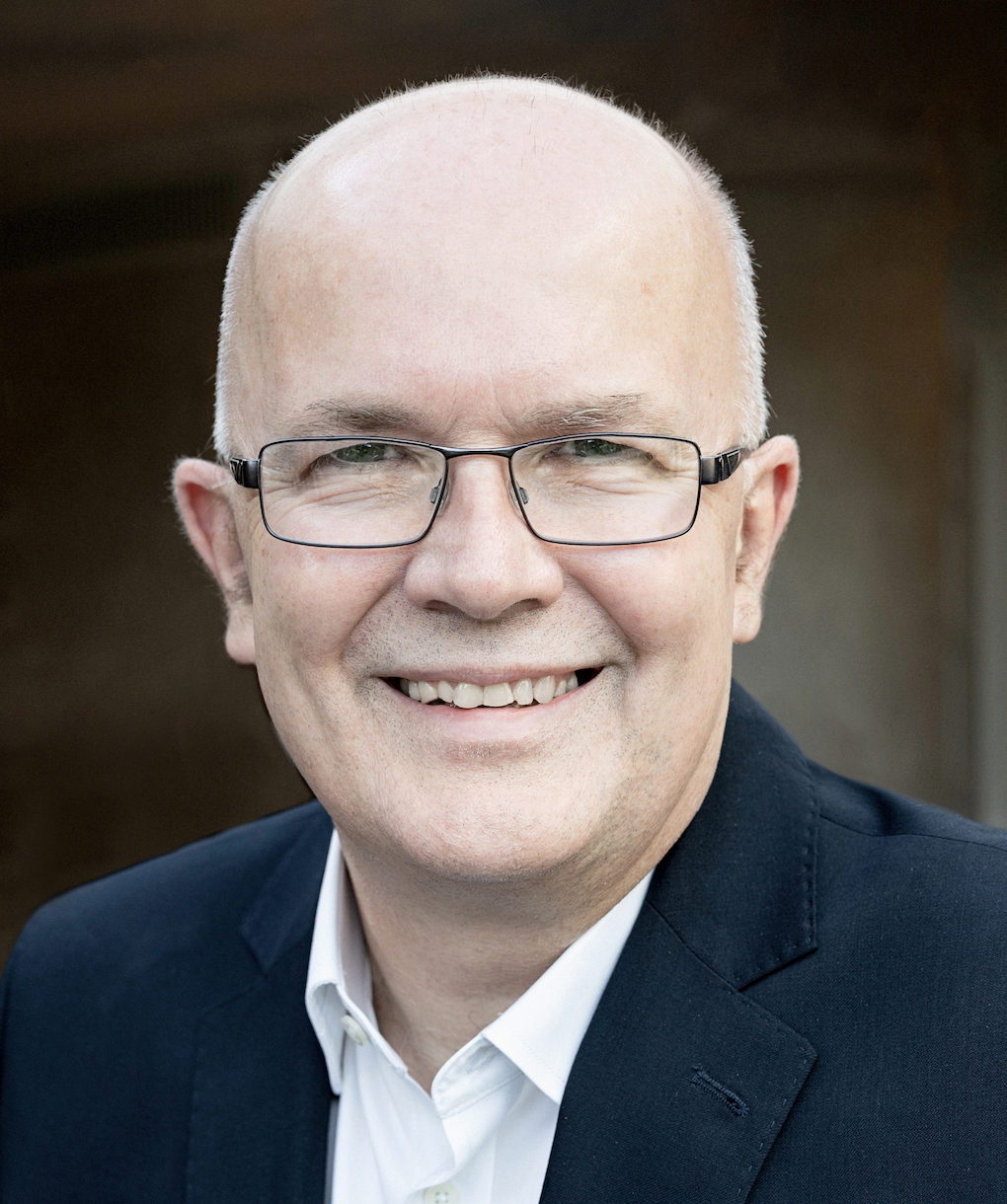 Peter Dickinson · Founder, KUB Strategy12 min read

Having worked with over 400 businesses over the last 19 years, I believe I have gained a good perspective on the key challenges facing small and medium sized businesses today. Some are perennial. Others are particularly relevant to UK businesses because of the political and economic turbulence that has created specific disruptions — and will continue to do so for some time.
The top ten challenges facing small and medium sized businesses are:
- Leadership
- Culture
- Strategy
- Strategy Execution
- Building an "A" Team
- Making the Business Stand Out
- Putting Your Employees First
- Systems and Processes
- Productivity
- Measuring Performance
We will now take each of these in turn to explore them in more detail.
1. Leadership
There is no academic qualification to be a leader of an SME — and I suspect if one were offered, most entrepreneurs eager to get started would not do it anyway. Nevertheless, given the many challenges of running a business and leading people, a lot of owners falter because they do not have the right skills.
Some people believe you have to be born a leader. From my experience, this is a fallacy. There are plenty of great books on leadership that demonstrate the right skills can be learnt. You do not have to be like Richard Branson to be a great leader in your business. You just need to be equipped with the right skills and habits to make a difference for your team.
During periods of economic turbulence, having the right leadership style becomes even more important — this is when leadership skills are tested most.
2. Culture
Getting the right culture is becoming increasingly important to business owners. The purpose of the business needs to be crystal clear, and from this purpose the values of the organisation can flow. Four values seem to be the maximum anybody can remember and successfully embed into a business.
For a well-run business that is genuinely good to work for and do business with, the key values tend to be:
- Professionalism, integrity, and honesty
- Customer service — going beyond and falling over backwards
- Initiative, self-starting, and innovation
- Respect
Spend time to establish the values and then make sure everybody is aware of them. Start looking for them in the actions of the team, and through regular staff appraisals and team meetings reinforce the values so that they become part of how business gets done. Putting slogans and posters on the wall will not make them stick. Changing the behaviours of the team over time by reinforcing them with praise and rewards will.
This leads to a defined culture that team members actively try to protect and develop. There is a phrase: "Culture beats strategy every time." In our complex, ambiguous, and fast-changing world, I think this is certainly the case.
In turbulent times, when overheads have to be cut, it is especially important to continue living by your values and working towards developing a resilient culture.
3. Strategy
A consequence of a lack of leadership development is a lack of business planning in most SMEs. There are now well-documented, single-page business planning tools that can really help your business focus on what matters. It does not take long to capture the ideas — and it is time well spent thinking about what the business needs to achieve its goals in three years' time and how those ideas can be realised.
It is also great for team development if the key players in the business are involved in the "how" of implementing the strategy. As a business owner, it can be both scary and liberating to know that the team are also working on the business. My own experience is that once you have the purpose right, strategic development accelerates significantly when the team genuinely understand and share it.
4. Strategy Execution
Something that really helps businesses to succeed is being great at executing strategy, plans, and ideas — taking a three-year plan and breaking it down into 12-month objectives, then staying focused and translating those into 90-day objectives.
By meeting their objectives every three months, business owners can start to benefit from the marginal gains that are achieved by meeting each objective. The theory of the aggregation of marginal gains was successfully introduced by British cycling coach Dave Brailsford, who led the British cycling team to 10 gold medals at the 2008 Beijing Olympics. This is something every business owner can implement because it only means making small, regular improvements rather than trying to launch a big initiative, sell it to the team, and failing because it never got the buy-in.
5. Building an "A" Team
The next challenge to trip up a lot of SMEs is finding the right people to grow the business — team members who ensure all functional aspects are delivered across sales, marketing, production, operations, and accounts.
To run and grow a business effectively, an owner or managing director should be removed from the distractions of day-to-day operations. Having a great "A" team in place really helps this. Initially, this may be one person who is a star player. But eventually, as the business grows, each function needs somebody who has complete ownership of it.
Ready to address the challenges holding your business back?
Book a free consultation with Peter and get a clear perspective on where to focus first.
6. Making the Business Stand Out
Finding a competitive edge in crowded markets can be a real challenge. It requires time, money, and resources to make sure the company has done everything it can to differentiate itself. Some of the ways smaller businesses compete include:
- Quality
- Customer service
- Convenience — local availability, delivery speed, stock availability
- Difficulty to buy elsewhere
- Your specific expertise
- Price
Understanding the real value you bring to your customers — not the value you think you bring, but the value they actually experience — is the starting point for genuine differentiation.
7. Putting Your Employees First
"If you look after your staff, they'll look after your customers. It's that simple." — Richard Branson
If you put your staff first, make sure they are trained, understand what needs to be achieved, and have the autonomy to get on with their jobs, they will deliver the results needed to keep your customers happy. It sounds straightforward — but it requires deliberate, consistent investment in the people side of the business.
8. Systems and Processes
A lot of smaller businesses seem to think having systems and processes makes them less competitive. The reverse is actually the case. Good, well-considered, tried and tested systems and processes mean that what is delivered to the customer — whether a product or a service — is what they expect, delivered right first time, every time. That means they will come back for more and will tell their friends and contacts.
Systems also reduce the business's dependency on any individual, making it more resilient and easier to scale.
9. Productivity
Productivity is closely aligned to good systems and processes — but it is more than that. It is about whole-company awareness. Lean thinking needs to be embedded throughout the business so that everybody acts smarter at whatever level they are employed.
When a problem is identified, the team should go to the problem rather than sit in meetings theorising about it. Sometimes talking directly to the problem owner provides a quick and straightforward solution. This approach massively reduces the complications that arise from miscommunication.
10. Measuring Performance
As Peter Drucker is often quoted: "What gets measured, gets done." This is an enduring truism. One of the challenges facing small and medium sized businesses is identifying the key metrics by which to drive the business.
Most will measure sales revenue and gross or net profit on a monthly basis — but often that is as far as they go. Finding the right measures, or key performance indicators, can be a real challenge. It takes trial and error to discover what really works for your specific business: the metrics that drive the right activity, not just the metrics that are easy to collect.
Not sure where to start?
A free consultation with Peter helps you identify the two or three challenges making the biggest impact on your growth — and what to do about them.
11. Political Changes (Bonus)
One of the main challenges SMEs face because of political pressures is the costs associated with the living wage and auto-enrolment — alongside the broader economic disruptions that political change can create.
For businesses with tight margins, politically driven cost increases — such as the living wage and pension contributions — can be very difficult to pass on to the customer. This puts constant pressure on controlling costs in areas that feel more controllable.
What periods of disruption have also shown is that many businesses use them as a catalyst to reimagine how they operate — using technology to reduce overheads, deliver services differently, and build more resilient business models.
Consequences of Not Getting the Above Right
A number of common issues — cash flow problems, succession difficulties, staff turnover, and eroding margins — often come down to the business owner spending too much time in the business rather than working on it.
The consequences of not finding that time tend to compound. They include:
- Stalled revenue growth
- Persistent cash flow pressure
- Dangerous over-reliance on a small number of clients
- High staff turnover
- Always competing on price rather than value
- Diminishing profitability and returns
- Difficulty raising capital — poor business plans and underperforming management teams struggle to attract finance
Staying Energised
As the leader of the business, the owner or managing director has to stay energised. Their vigour is infectious and permeates throughout the business. Maintaining energy levels is a real challenge as business becomes more competitive and technology-driven, with more pressures than ever before.
Regular exercise, a good diet, and adequate rest are not optional extras — they are part of the job. Stephen Covey's final habit in The 7 Habits of Highly Effective People is "Sharpen the saw." The question every business owner should ask themselves regularly is: what are you doing to sharpen yours?
Frequently Asked Questions
Leadership is consistently the root cause. Without the right skills and habits at the top, every other challenge — strategy, culture, execution, team building — becomes harder to solve. The reassuring truth is that leadership is learnable. The frameworks and resources available today make it more accessible than ever, regardless of your background.
Culture change is measured in months and years, not weeks. The most effective approach is to define a small number of core values — no more than four — and then reinforce them consistently through how decisions are made, how performance is recognised, and how team members treat each other. Posters on the wall do not create culture. Consistent behaviour from leadership does.
The gap between having a plan and executing it comes down to focus and accountability. Most small businesses have too many priorities and no structured rhythm for reviewing progress. Breaking a 12-month plan into 90-day objectives — with clear ownership and a regular review cadence — is one of the most effective ways to close the gap between strategy and results.
Start with the metrics that drive the behaviours you want. For most SMEs, this means a small number of leading indicators — activities that predict revenue — alongside the obvious lagging indicators such as revenue and margin. Common examples include number of qualified enquiries, conversion rate, average order value, and customer retention rate. The right KPIs vary by business model, and some trial and error is part of the process.
When the owner is consumed by day-to-day operations, strategic priorities are consistently deferred. The consequences compound: cash flow becomes reactive, revenue growth stalls because no one is developing new clients or markets, staff turnover increases as people feel directionless, and the business becomes dangerously dependent on one person. The solution is not working harder — it is building the team, systems, and strategic clarity that allow the owner to work on the business rather than in it.
Take the next step.
For further reading, our article on how to scale a business from £500K to £5M covers the full growth path, and our Marketing Gap Analysis helps identify where your biggest constraint lies. Book a free consultation with Peter and leave with a clear, prioritised view of what your business needs to focus on to break through its current ceiling.
More on Business Strategy

Business Strategy
Why High-Growth Businesses Rarely Grow Alone
Behind most successful businesses is a network of people who provide guidance, challenge assumptions and help leaders make better decisions. The quality of advice surrounding a business owner is often one of the strongest indicators of future growth.
8 min read

Business Strategy
7 Business Lessons I Wish I'd Learned Earlier
After two decades and hundreds of client engagements, the same themes appear time and again. Seven honest lessons on strategy, customers, marketing, founder dependency and what consistent growth actually requires.
8 min read

Business Strategy
Who Really Owns Your Website? The Business Owner's Guide to Digital Asset Control
Most business owners assume they own their website — but that is not always true. This guide covers the five critical digital assets every business must control and what to do if ownership is unclear.
9 min read