Marketing Strategy
Fractional CMO vs. Full-Time CMO: Which Is Right for Your Business?
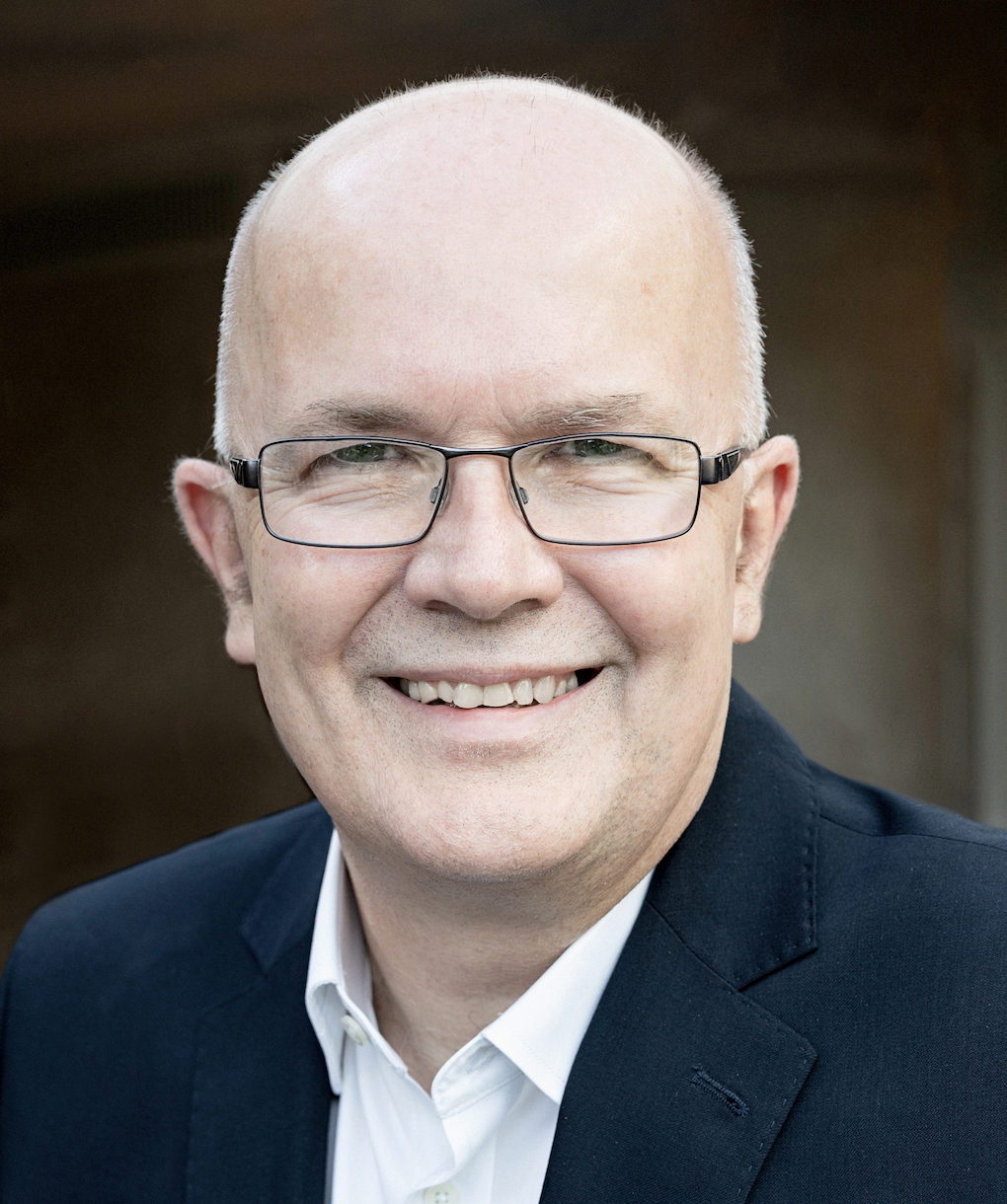 Peter Dickinson · Founder, KUB Strategy11 min read

If you are growing and starting to think seriously about marketing leadership, the question of hiring a CMO will come up. And right behind it comes one that does not always get enough attention: does that CMO need to be full-time? The right answer depends on where your business is now, where you want it to go, and what your budget actually looks like.
If you are growing your business and starting to think seriously about marketing leadership, chances are the question of hiring a CMO has come up. And right behind it comes another question that does not always get enough attention: does that CMO need to be full-time? It is one of the most important hiring decisions a growing business can make — and the answer is not the same for everyone. The right choice depends on where your business is right now, where you want it to go, and what your budget actually looks like. This guide breaks down the difference between a Fractional CMO and a full-time CMO: what each one actually means, what it costs, and how to figure out which makes the most sense for your business.
What Is a Fractional CMO?
A Fractional CMO is a senior marketing executive who works with your business on a part-time or project basis. They bring the same level of strategic thinking and leadership you would expect from a full-time hire — just without the full-time commitment or cost. Think of it as having access to C-suite marketing expertise exactly when and where you need it. A Fractional CMO will typically work across a handful of clients at any one time, which means they bring a broad range of cross-industry experience and a fresh, objective perspective. They are not just executing tasks — they are setting strategy, leading your marketing function and helping you make smarter decisions about where to focus your efforts. For a lot of growing businesses, that combination of high-level expertise and flexibility is exactly what they need to get to the next stage.
What Does a Full-Time CMO Actually Do?
A full-time CMO is a permanent member of your leadership team, fully dedicated to your business and your business alone. They own the entire marketing function from top to bottom — everything from setting the long-term strategy to managing the team that delivers it day to day. Because they are embedded in your business full-time, a permanent CMO gets to know your company inside out. They build relationships across the organisation, develop a deep understanding of your customers and take real ownership of your marketing results over the long term. For larger businesses or those with complex, fast-moving marketing operations, having that level of dedicated focus and continuity can make a meaningful difference. The trade-off, of course, is cost and commitment. A full-time CMO is responsible for:
- Setting the overall marketing strategy and aligning it with business goals
- Owning brand positioning, messaging and market differentiation
- Leading demand generation, lead acquisition and pipeline growth
- Managing the internal marketing team and external agency partners
- Overseeing campaign planning, execution and performance
- Building budgets, allocating spend and tracking ROI
- Reporting on marketing performance to the leadership team or board
- Driving collaboration between marketing, sales, product and leadership
- Identifying new growth opportunities, channels and market segments
- Creating accountability across the marketing function
Fractional CMO vs. Full-Time CMO: The Key Differences at a Glance
Both options give you senior marketing leadership, but how they show up for your business looks quite different. Here is a straightforward breakdown of the main differences:
| Fractional CMO | Full-Time CMO | |
|---|---|---|
| Cost | Lower investment, typically retainer-based | Higher investment, full salary plus benefits |
| Flexibility | Scales up or down based on your needs | Fixed commitment regardless of workload |
| Focus | Works across multiple clients and industries | Dedicated solely to your business |
| Integration | Works alongside your team, on-site or remote | Fully embedded in your company and culture |
| Best for | Startups, growth-stage and project-based needs | Established businesses with complex operations |
| Time to start | Fast, can hit the ground running quickly | Longer lead time to hire and onboard |
Neither option is better than the other across the board. It really comes down to what your business needs right now — which is exactly what the rest of this guide will help you work out.
Not sure whether a Fractional or full-time CMO is the right fit for your business?
Book a free consultation with Peter to talk through where your marketing is today, what you need from senior leadership, and which model makes the most sense at your current stage.
Let's Talk About the Cost: Fractional vs. Full-Time CMO
Budget is usually the first thing that comes up in this conversation — and for good reason. The difference in cost between a Fractional and full-time CMO can be substantial. A full-time CMO in the UK typically commands a base salary of between £130,000 and £280,000 per year — and that is before employer National Insurance contributions, pension, benefits, bonuses and any recruiting fees. For a lot of small and mid-sized businesses, that is a significant commitment, particularly if your marketing needs are not yet at the level that justifies a full-time hire.
A Fractional CMO, on the other hand, typically works on a monthly retainer. Depending on the scope of work and the experience level you are bringing in, you might expect to pay between £2,500 and £10,000 per month. For a detailed breakdown, our guide to how much a Fractional CMO costs in the UK covers typical retainer ranges and engagement models. You get senior-level strategic input at a fraction of the cost — and you are only paying for what you actually need. It is worth being clear, though: a Fractional CMO is not a budget version of the real thing. You are still getting genuinely experienced marketing leadership. The difference is in the structure of the engagement, not the quality of the thinking.
When to Hire a Fractional CMO (and When Not To)
A Fractional CMO tends to be the right fit when your business needs proper marketing leadership but is not quite ready for a full-time executive hire. That might look like a startup that has found its footing and is ready to scale — our article on how the Fractional CMO model works for startups goes into this in depth — a growth-stage business that has outgrown ad hoc marketing but does not have the budget for a permanent CMO, or an established business going through a specific transformation or launch that needs senior strategic input for a defined period.
They are also a strong option if you have never had a CMO before and want to build out your marketing strategy and infrastructure before committing to a permanent hire. A Fractional CMO can come in, assess what you have, build the foundation, and help you understand what a full-time role should eventually look like when the time is right.
Where a Fractional CMO is probably not the best fit is when your marketing operation has grown to a point where it genuinely requires full-time dedicated leadership. If you have a large internal team, complex multi-channel campaigns running constantly, and marketing sitting at the very centre of your day-to-day operations — particularly as you approach £5–10 million in revenue — a permanent CMO who is fully invested in your business is likely the stronger choice. The honest answer is that a lot of businesses hire a full-time CMO before they actually need one. If you are not sure which camp you are in, that is usually a sign it is worth exploring the fractional route first.
How to Make the CMO Hiring Decision: A Five-Step Framework
If you are still on the fence, that is completely normal. Here is a straightforward framework to help you think it through clearly.
1. Assess Your Current Marketing Capabilities
Start by taking an honest look at where your marketing is right now. What is working, what is not, and where are the biggest gaps? If nobody is owning strategy at a senior level, that is your starting point.
2. Get Clear on Your Budget
Work out what you can realistically commit to — both now and over the next 12 to 18 months. Remember to factor in not just the salary or retainer, but the full cost of the engagement, including any tools, resources or team support the CMO will need to do the job well.
3. Define What Success Looks Like
What do you actually need a CMO to deliver? Are you looking for someone to build your marketing strategy from scratch, lead a specific growth push, or provide ongoing long-term leadership? Getting clear on expected outcomes makes the decision considerably easier.
4. Think About Your Time Horizon
Is this a short to medium-term need or a permanent one? If you are navigating a specific phase of growth or a defined project, a Fractional CMO gives you the flexibility to scale the engagement up or down as things evolve. If you are looking for someone to grow with the business over many years, a full-time hire starts to make more sense.
5. Compare the Strategic Impact of Both Options
Once you have a clear picture of your budget, goals and time horizon, weigh up which option is most likely to deliver the results you need. Sometimes the numbers make the decision for you. Other times it comes down to the kind of leadership your business needs right now. Going through these five steps will not just help you choose between fractional and full-time — it will also make you a much better client or employer when you do bring someone on board, because you will know exactly what you are looking for.
Worked through the framework and still want a second opinion?
Book a free consultation with Peter. In 30 minutes you will have a much clearer picture of which model fits your business — and what to do next.
What About Company Culture?
It is a fair question, and one that does not get talked about enough. Bringing any senior leader into your business is not just a strategic decision — it is a human one. A full-time CMO has the advantage of time. They are in the business every day, building relationships with your team, getting under the skin of how things work and becoming a genuine part of the culture. That level of immersion can be genuinely valuable, especially in businesses where marketing is deeply connected to every other part of the operation.
A Fractional CMO works differently — but that does not mean the relationship is any less effective. Good Fractional CMOs are experienced at getting up to speed quickly and integrating with teams they have not previously worked with. It is genuinely part of the skill set. They might work on-site a few days a month or operate mostly remotely, but the strategic input and leadership they provide can still have a meaningful impact on how your team thinks and operates. The key is being intentional about how you bring them in. Set clear expectations, give them the access they need, and involve them in the right conversations. When that is done well, the fact that they are not there full-time rarely becomes a limitation. Cultural fit matters for both options — whether you are hiring fractionally or full-time, you want someone whose values and working style align with yours.
The Future of Marketing Leadership Is Flexible
The way businesses think about marketing leadership is changing. The assumption that every company needs a full-time CMO in the building five days a week is becoming less and less the default — and for good reason. More and more businesses are moving towards models where fractional or part-time marketing leadership works alongside a leaner in-house team. It gives them the strategic horsepower they need without the overhead of a fully loaded executive salary — and it is proving to be a highly effective way to scale.
There is also a growing trend of businesses bringing in a Fractional CMO as a deliberate first step before making a permanent hire. Rather than rushing into a full-time appointment, they use the fractional engagement to build out their marketing strategy, test what works, and develop a much clearer picture of what they actually need from a permanent leader. It is a smarter, lower-risk way to make one of the most important hires in the business. The businesses that are winning at marketing right now tend to be the ones thinking flexibly about how they access talent and leadership. A job title on a full-time contract is no longer the only measure of strategic value — and the most growth-focused companies already know that.
What Is the Smarter Move for Your Business Right Now?
There is no universal right answer to the Fractional CMO vs. full-time CMO question. What there is, is a right answer for your business — based on where you are today and where you are trying to get to. If you are an early-stage or growth-stage business that needs senior marketing leadership but is not ready to commit to a full-time executive, our Fractional CMO engagement is designed for exactly that situation.
If you are a larger, more established business with a complex marketing operation that needs dedicated full-time ownership, a permanent CMO is probably the right call. The depth of integration and long-term continuity that comes with a full-time hire is genuinely difficult to replicate any other way. And if you are not yet sure what level of marketing leadership you need, a Fractional CMO can help you find out — building clarity, momentum and the foundations that make any future full-time hire significantly more likely to succeed. Our complete guide to Fractional CMO services covers the full scope of the engagement in detail.
Frequently Asked Questions
The core difference is in the structure of the engagement, not the quality of the thinking. A Fractional CMO provides senior marketing leadership on a part-time or project basis — typically working across a small number of clients simultaneously, bringing a broad range of cross-industry experience and a fresh external perspective. A full-time CMO is a permanent member of your leadership team, dedicated solely to your business, fully embedded in your operations and culture. Both own strategy, both lead the marketing function — the distinction is commitment, cost and the depth of day-to-day integration.
A full-time CMO in the UK typically costs between £130,000 and £280,000 in base salary alone — before factoring in employer NI contributions, pension, benefits, bonuses and recruiting fees. A Fractional CMO typically works on a monthly retainer, usually between £2,500 and £10,000 depending on scope, experience level and the depth of the engagement. For businesses that are not yet at the scale where full-time executive marketing leadership is justified, the fractional model provides comparable strategic quality at a fraction of the total cost — and with far greater flexibility to adjust as the business evolves.
Most businesses reach a point where the complexity and pace of the marketing function genuinely requires full-time dedicated leadership — typically when there is a large internal team to manage day-to-day, multiple complex campaigns running simultaneously across channels, and marketing sitting at the centre of daily business operations. In revenue terms, businesses approaching £5–10 million and beyond often find this is where the review becomes necessary. A good Fractional CMO will tell you proactively when that point is approaching — and will have built the strategic foundations that make the full-time hire far more likely to succeed.
Yes — and this tends to be one of the underestimated strengths of the model. Experienced Fractional CMOs are skilled at getting up to speed quickly and integrating with teams they have not previously worked with. That adaptability is genuinely part of the skill set. The key factors that determine how well it works are how clearly expectations are set upfront, what access the CMO is given to the right people and conversations, and how deliberately they are brought into the leadership structure. When those conditions are met, the fact that they are not in the building full-time rarely becomes a limiting factor.
Often, yes — and in some ways it is ideal for exactly that situation. A Fractional CMO can come in, audit what is already in place, build the marketing strategy and infrastructure, and help the business understand what a full-time CMO role should eventually look like. It removes the risk of hiring a permanent executive into a function that is not yet structured to benefit from one. Many businesses find that a Fractional CMO engagement is the most practical way to build the foundation before making a long-term senior hire — resulting in a significantly better outcome from the permanent appointment when it does happen.
Look for someone with demonstrable experience at the right level — ideally with a track record across businesses similar to yours in sector, size or growth stage. Clarity of communication matters enormously: a good Fractional CMO should be able to explain strategy in plain terms, without obscuring it in jargon. Beyond credentials, assess whether their working style and values align with yours — cultural fit matters even in a part-time engagement. Finally, look for someone who is transparent about what they can and cannot deliver within the scope of a fractional arrangement, and who will tell you honestly when your business needs something different.
Ready to find the right marketing leadership model for your business?
Book a free consultation with Peter to discuss your current marketing function, what you need from senior leadership, and whether a Fractional CMO is the right next step — or whether a full-time hire makes more sense at your stage.
More on Marketing Strategy

Marketing Strategy
What Is Experiential Marketing? How SMEs Can Use It to Stand Out
Experiential marketing replaces passive advertising with participatory experiences — workshops, live assessments, demonstrations, and interactive digital tools. This guide covers the five formats, a 4-step planning framework, and how to measure ROI at SME budgets.
12 min read

Marketing Strategy
What Is the Marketing Funnel? A Practical Guide for B2B Businesses
The marketing funnel maps the journey from stranger to customer through TOFU (Awareness), MOFU (Consideration), and BOFU (Decision). Most SME funnels leak at the middle. This guide shows you how to diagnose which stage is broken and what to build to fix it.
11 min read

Marketing Strategy
What Is the AIDA Model? A Practical Guide for B2B Marketing
AIDA maps the four stages every customer moves through before buying: Attention, Interest, Desire, and Action. For UK SMEs, it is the most practical diagnostic tool for identifying exactly where your marketing is failing — with actionable fixes for each stage.
10 min read